The pilot “Heritage-driven Rainwaters Community-based Reuse in Albania,” implemented by the Urban Research Institute (URI), focuses on the rehabilitation of traditional stera rainwater harvesting systems in Gjirokastër. By combining heritage preservation with modern water management solutions, the initiative promotes sustainable, community-based responses to water scarcity while strengthening long-term climate resilience.
Coordination Meeting in Gjirokastër
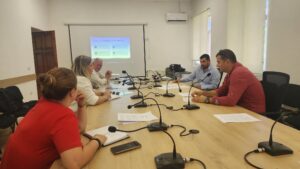
On 29 June 2026, the second coordination meeting was held in Gjirokastër במסגרת the Share.MedWater project, bringing together representatives of the Municipality of Gjirokastër, including Deputy Mayor Ms. Amarilda Lelaj, the URI implementation team, and representatives of selected households participating in the pilot.
The meeting served as an important step in advancing the implementation of the pilot, reinforcing cooperation between local authorities, technical experts, and the community.
Responding to Climate and Water Challenges
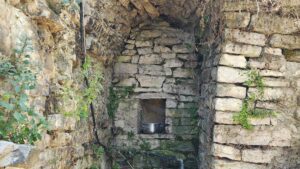
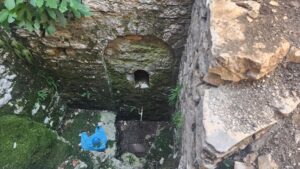
The pilot intervention addresses the increasing need for sustainable water management solutions in the face of growing water scarcity driven by climate change. It focuses on restoring Gjirokastër’s traditional rainwater harvesting systems—locally known as stera—as a low-cost, efficient, and heritage-based solution to seasonal water shortages.
By reactivating these systems, the project contributes to reducing pressure on municipal water supplies and enhancing the resilience of the historic urban area.
Selection of Pilot Houses
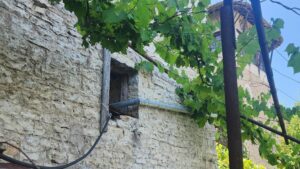
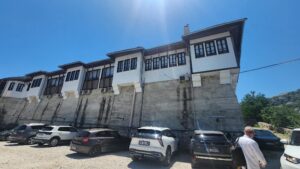
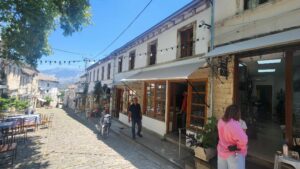
During the meeting, four traditional houses located in the historic museum area of Gjirokastër were identified and selected for the pilot intervention, that is the Braja family, the Kodra family, the Dhrami family and the Baxhella family.
All participating households expressed their willingness to actively engage in the implementation of the project and to support its objectives.
Reviving Heritage for Sustainable Use
The rehabilitation of the stera systems demonstrates how traditional knowledge can be combined with contemporary technologies to address modern environmental challenges. These systems are known for maintaining water quality and can support not only non-potable uses but also, historically, household needs such as cooking and drinking.
The intervention highlights the importance of reintroducing traditional practices as part of innovative water management strategies in historic environments.
Impact and Outlook
Beyond improving access to alternative water resources, the pilot contributes to:
- Strengthening climate resilience in Gjirokastër
- Supporting sustainable water resource management
- Preserving the city’s architectural heritage and cultural identity
- Enhancing local capacity to respond to seasonal water shortages
Additionally, the project offers a replicable model for other Mediterranean cities facing similar challenges related to water scarcity and climate change.
This pilot marks an important step toward integrating heritage-based solutions into modern sustainability practices, demonstrating how local knowledge and innovation can work together to build more resilient communities.